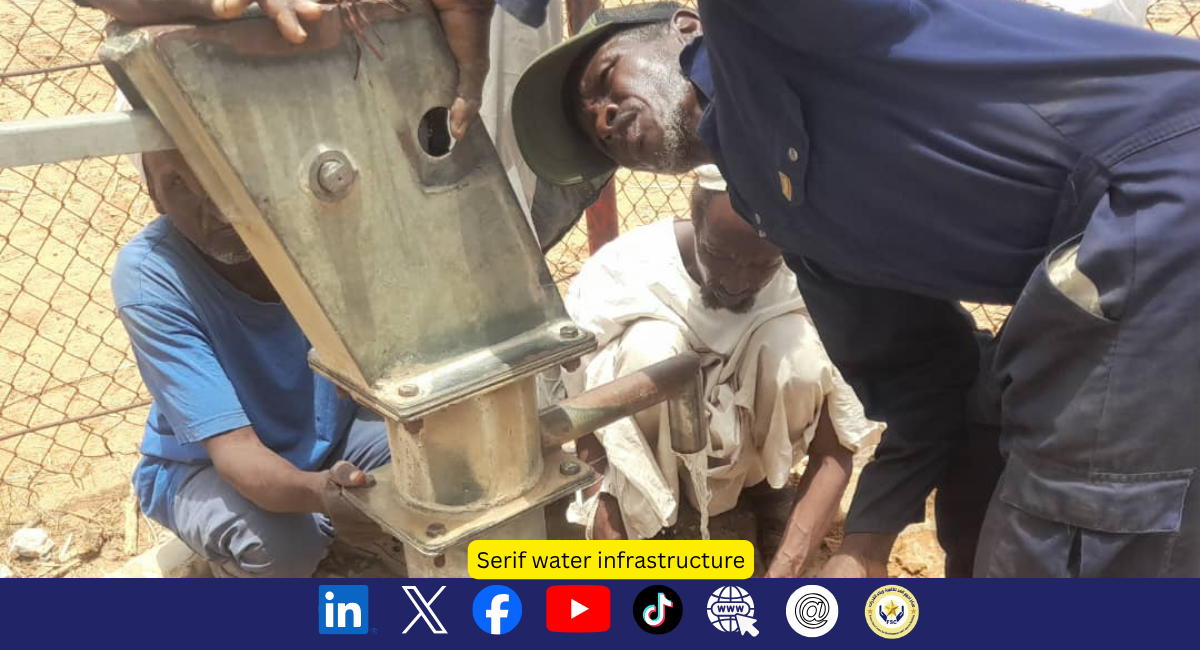
In contexts marked by severe humanitarian gaps and the absence of institutional aid, localized leadership remains a critical lifeline. Between July 24 and July 30, 2026, the Central Serif Emergency Room, with support from the Future Stars Center, successfully completed a targeted water infrastructure rehabilitation project in the villages of Um Sayala and Al-Dulaiha within Serif Locality, North Darfur State.
Addressing Critical Vulnerabilities
Established in late 2024 as a grassroots, non-partisan humanitarian initiative, the Central Serif Emergency Room stepped forward to address acute displacement crises—coordinating reception, shelter, and basic support for families fleeing Zamzam camp, Tawila, El Fasher, and other conflict-affected areas.
Following comprehensive consultations with community leaders, youth representatives, and women’s groups, safe drinking water access was identified as the paramount priority. The acute lack of humanitarian services heavily impacted both displaced populations and host communities, threatening public health and local stability.
Community-Driven Implementation
Through a transparent, consultative framework, the initiative deployed targeted micro-grant funding to procure maintenance materials, concrete aggregates, and essential spare parts. A dedicated technical team, alongside community volunteers, successfully rehabilitated vital water pumps across the targeted villages, restoring a critical resource for thousands of residents.
Impact and Inclusion
The project directly benefited the entire community—encompassing both displaced individuals and local hosts—without exclusion. Beyond the physical infrastructure restored, the intervention fostered exceptional community cohesion, with active local participation maintained throughout the implementation cycle.
Looking Forward
Grounded in robust feedback mechanisms and community-based accountability, the initiative highlights core lessons for future humanitarian action: prioritizing inclusive community consultations, upholding operational transparency, and maintaining active listening structures. Partnerships between grassroots responders like the Central Saraf Emergency Room and organizational partners such as the Future Stars Center remain essential to driving sustainable, locally-led recovery across the region.